E fofō e alamea le alamea
The crown-of-thorns starfish is removed by the same hands that place it there.
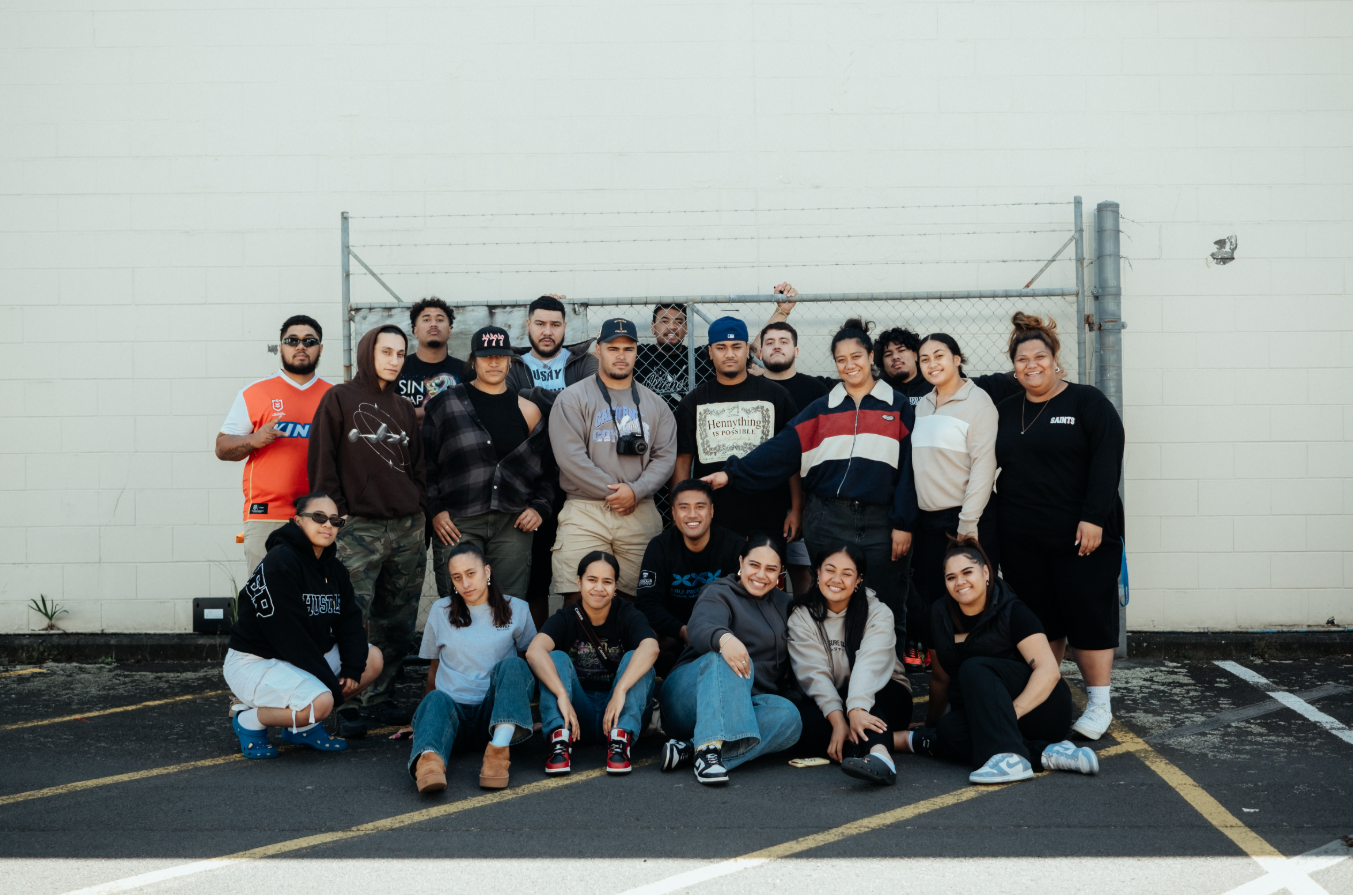
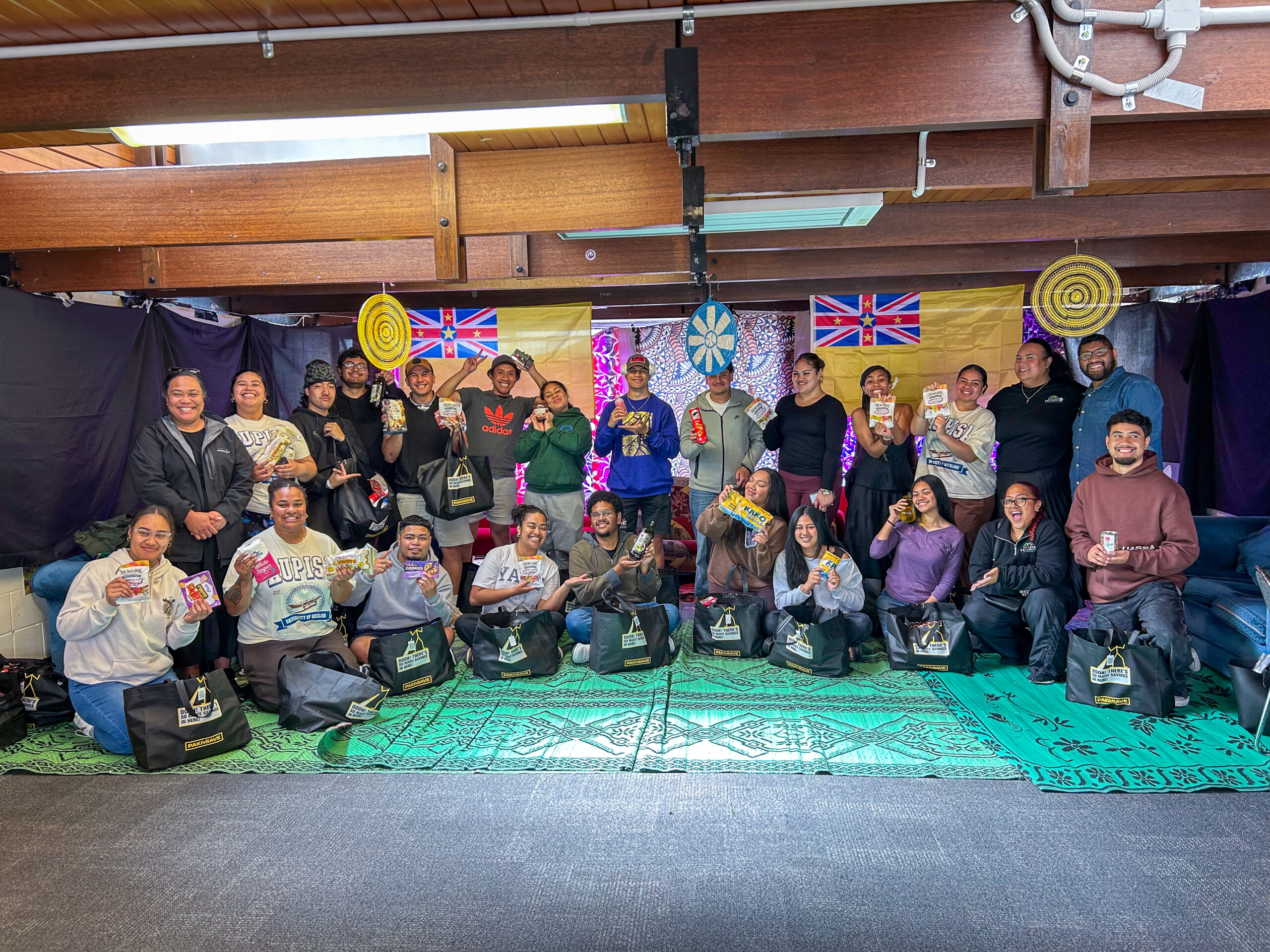
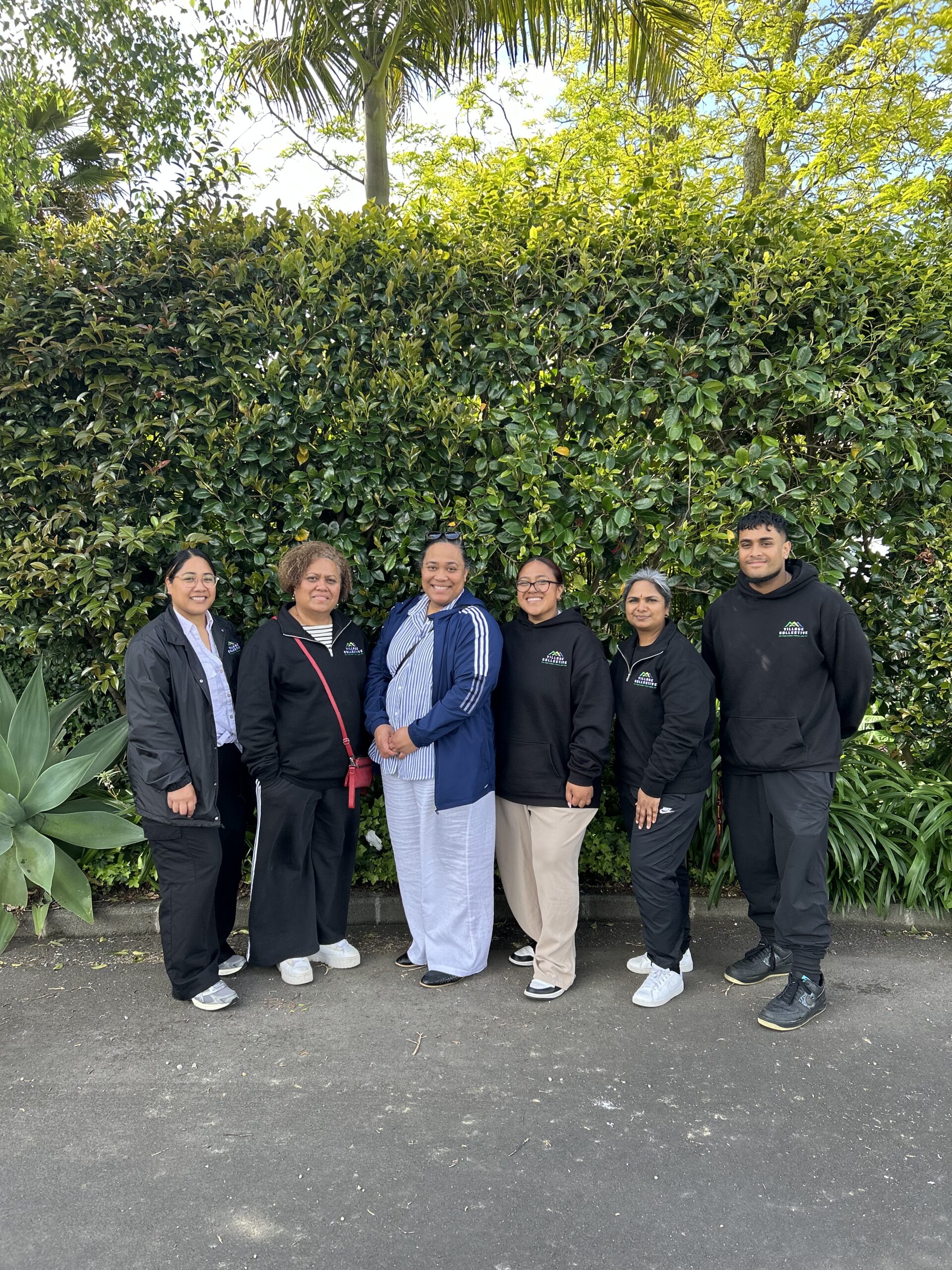
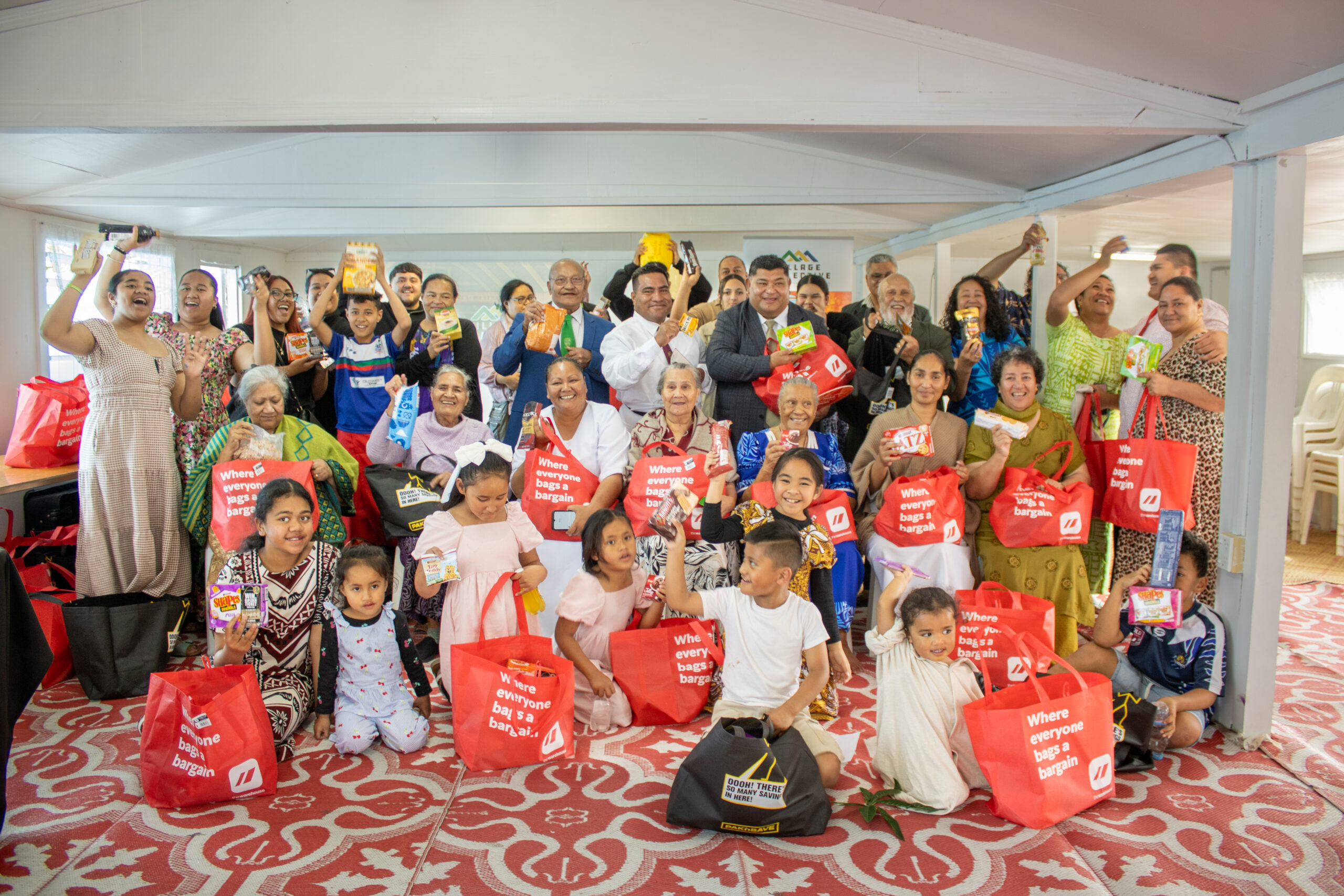
Community Fale recognises that strong and thriving communities are built when people have access to trusted relationships, practical knowledge, and culturally safe support systems that strengthen collective wellbeing. Community Fale programmes understand that wellbeing outcomes improve when young people see their cultures, identities, languages, values and lived experiences reflected within the space they engage with. Community Fale creates spaces where Talavou, Rangatahi, families, and communities can connect with services to strengthen their health literacy, and access support in ways that reflect Pasifika ways of caring, connecting, and healing.
Through programmes such as SAPPA (South Auckland Pasifika Pathways & Advancement), Wellbeing NOW (WBN), VC Hub & Clinic, and community outreach initiatives, the Community Fale supports young people and communities to strengthen leadership capability, emotional wellbeing and resilience, confidence to pathways toward healthier futures. The work recognises that wellbeing is interconnected and shaped by family, culture, spirituality, relationships, environment, mental wellbeing, and physical health.
Community Fale creates safe and accessible spaces for talanoa, learning, connection, and preventative wellbeing support. Sessions are interactive, strengths-based, and community-centred, incorporating reflective discussion, leadership activities, storytelling, role play, outreach activations, collaborative learning, and practical wellbeing tools that support communities to navigate life with greater confidence and connection.
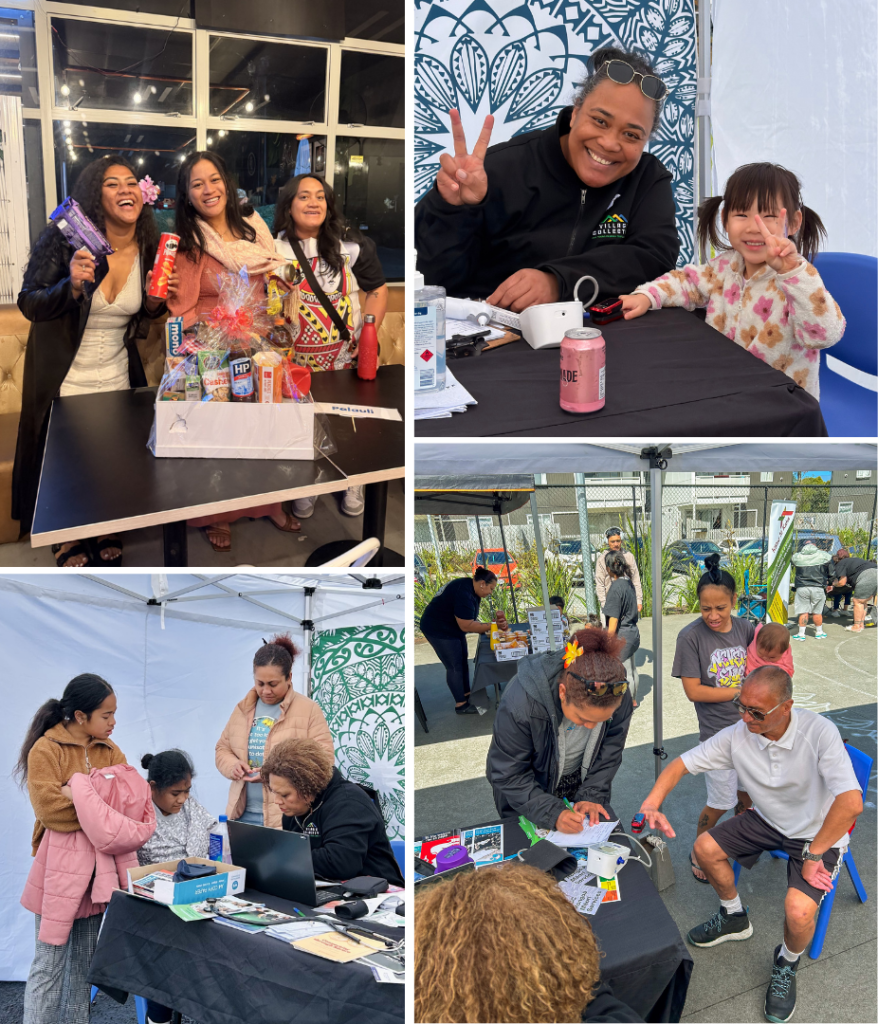
Co-designed Alongside Communities
Our programmes are co-designed alongside communities and informed by: - Fonofale Framework (Dr Fuimaono Karl Pulotu-Endemann) - Te Whare Tapa Wha - Pacific Wellbeing and youth development frameworks - Health promotion and preventative wellbeing approaches - Talanoa and relational practice. - Community voice, lived experience, and Pacific values
Supports Communities
Community Fale supports communities to: - Strengthen health literacy and access to trusted services - Build leadership, confidence, and communication skills - Strengthen emotional wellbeing, resilience, and self-awareness - Increase confidence in help-seeking and service connection - Strengthen identity, belonging, and cultural pride - Develop practical wellbeing and coping strategies - Support healthy relationships and collective care - Strengthen community connection and whakawhanaungatanga
Key Areas of the Health & Physical Education
The programme aligns with key areas of the Health & Physical Education Curriculum and wider youth development approaches including: - Hauora and holistic wellbeing - Identity, culture, and belonging - Mental, emotional, and social wellbeing - Relationships with others - Health promotion and preventative care - Leadership and communication - Self-management and decision-making skills - Community participation and contribution
Community Fale programmes can also be adapted across schools, alternative education, tertiary settings, youth groups, sports groups, churches, outreach settings, and community organisations to support wellbeing, leadership, and community engagement outcomes for Pacific and Maori communities.
Programme Overview
South Auckland Pacific Pathways & Advancement
A leadership and empowerment programme supporting Pacific and Maori young people to explore identity, culture, and pathways for personal development. SAPPA encourages rangatahi to strengthen cultural pride, build leadership capability, and develop confidence in navigating education, health, and community spaces.
Frequency: One-off per session
Programme Duration: Dependent on the number of classes engaged and the number of sessions delivered
Duration: 45 mins – 1 hour
Medium: In-person and in class
Participant Criteria:
- Pacific and Maori first, though young people of all ethnicities welcome
- Years 7 – 8 (Primary / Intermediate)
- Years 9 – 13 (High School)
Notes: Programme can be adapted to be used with community/youth and or sports groups.
Wellbeing NOW
A mental wellbeing and resilience programme that supports rangatahi to better understand emotions, stress, identity, and relationships. Through interactive activities and talanoa, the programme builds emotional awareness, coping skills, and confidence while encouraging healthy decision-making and resilience.
Frequency: One-off per session
Programme Duration: Dependent on the number of classes engaged and the number of sessions delivered
Duration: 45 mins – 1 hour
Medium: In-person and in class
Participant Criteria:
- Pacific and Maori first, though young people of all ethnicities welcome
- Years 7 – 8 (Primary / Intermediate)
- Years 9 – 13 (High School)
Notes: Programme can be adapted to align with school health curriculum outcomes.
Village Collective Hub & Clinic
A community-based health hub that provides accessible health services and wellbeing support in a culturally safe environment. Services include sexual health checks, immunisations, counselling, and other wellbeing services delivered in partnership with trusted health providers and our Care Team. The hub aims to provide a safe space for connection and belonging.
Frequency: As needed
Programme Duration: No maximum number of sessions
Medium: In-person and online
Location: Village Collective
Participant Criteria:
- Pacific and Maori first, though young people of all ethnicities welcome
- Ages 12 – 24, with flexibility
Outreach: Community Events
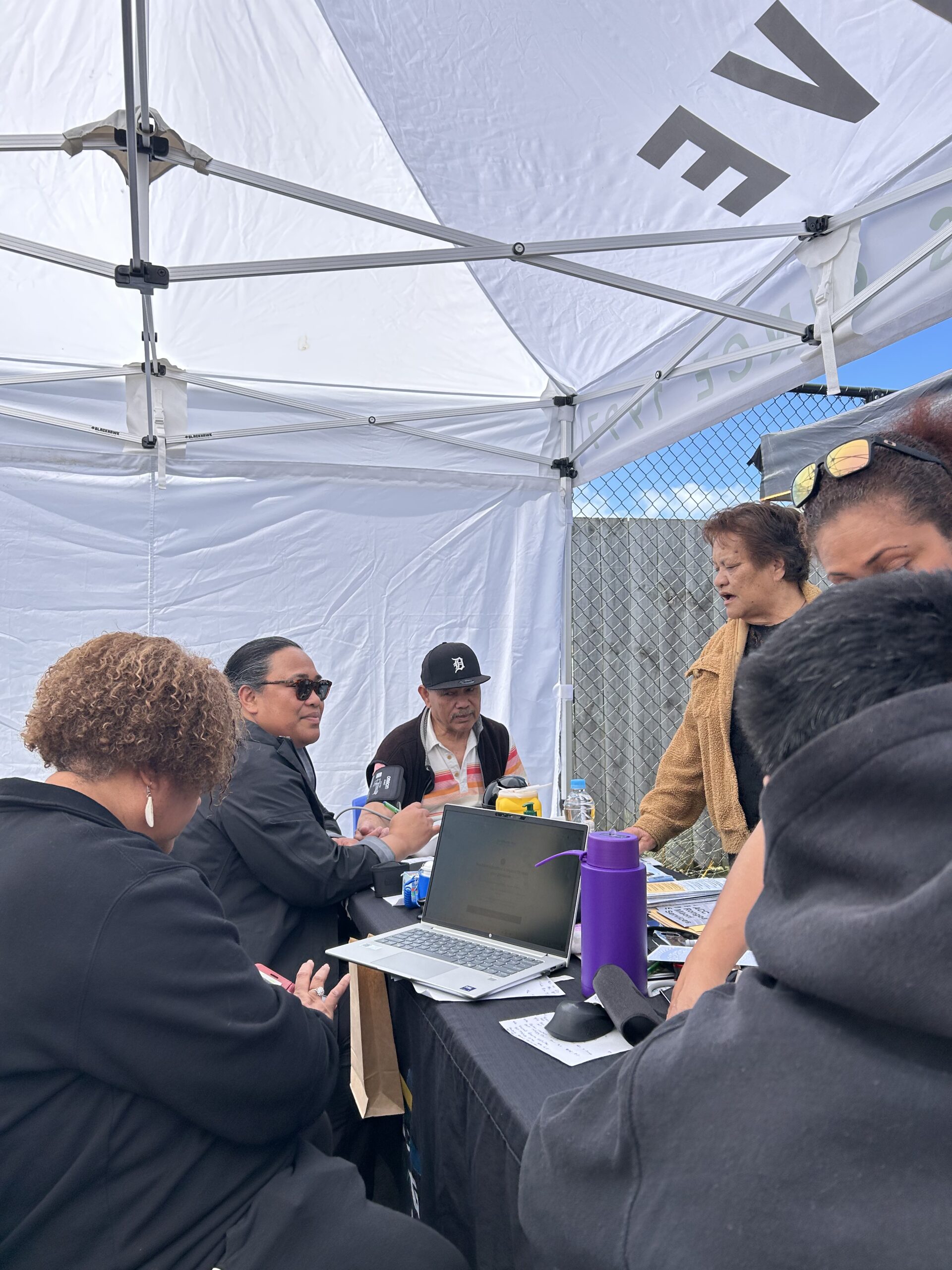
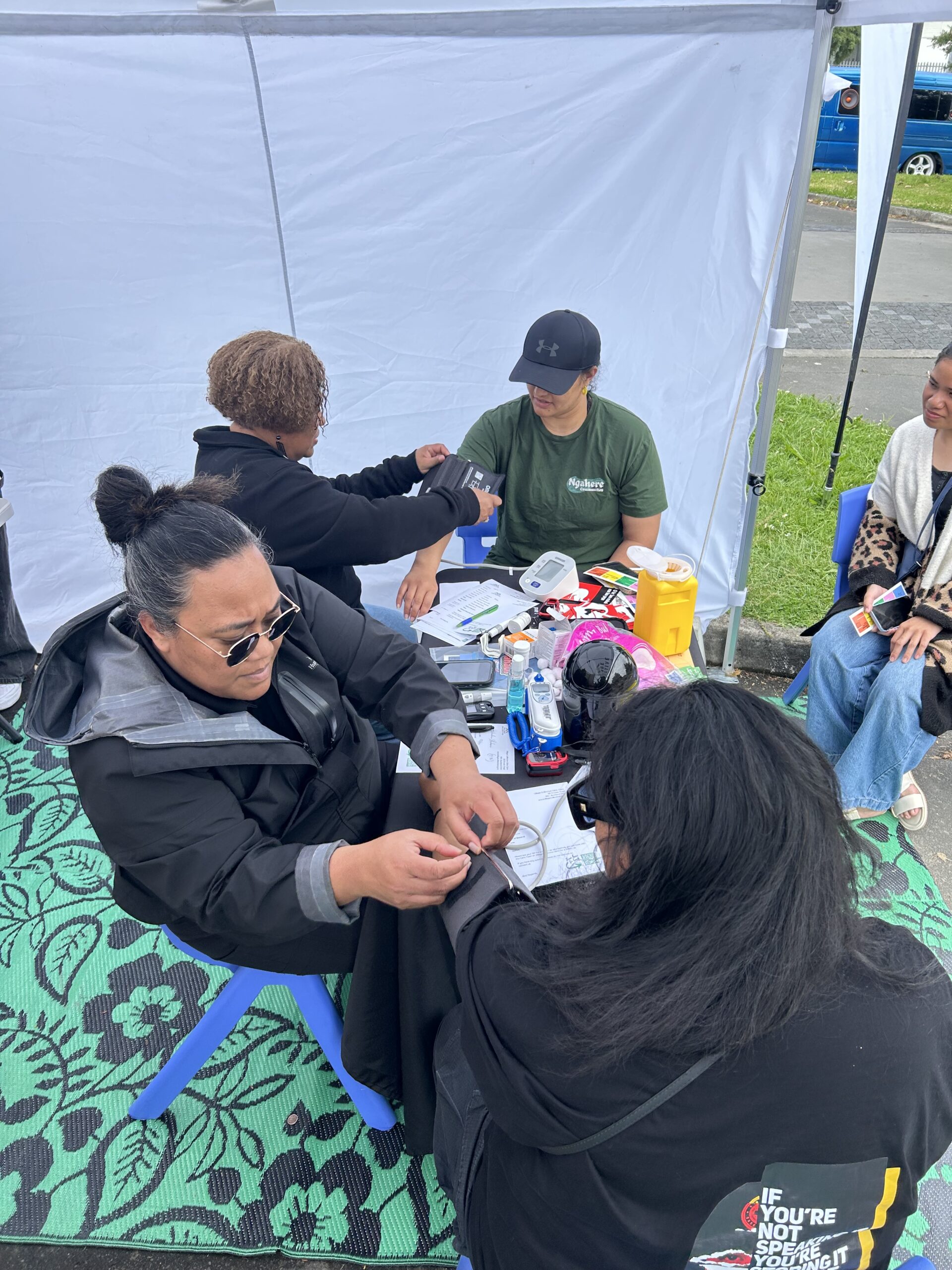
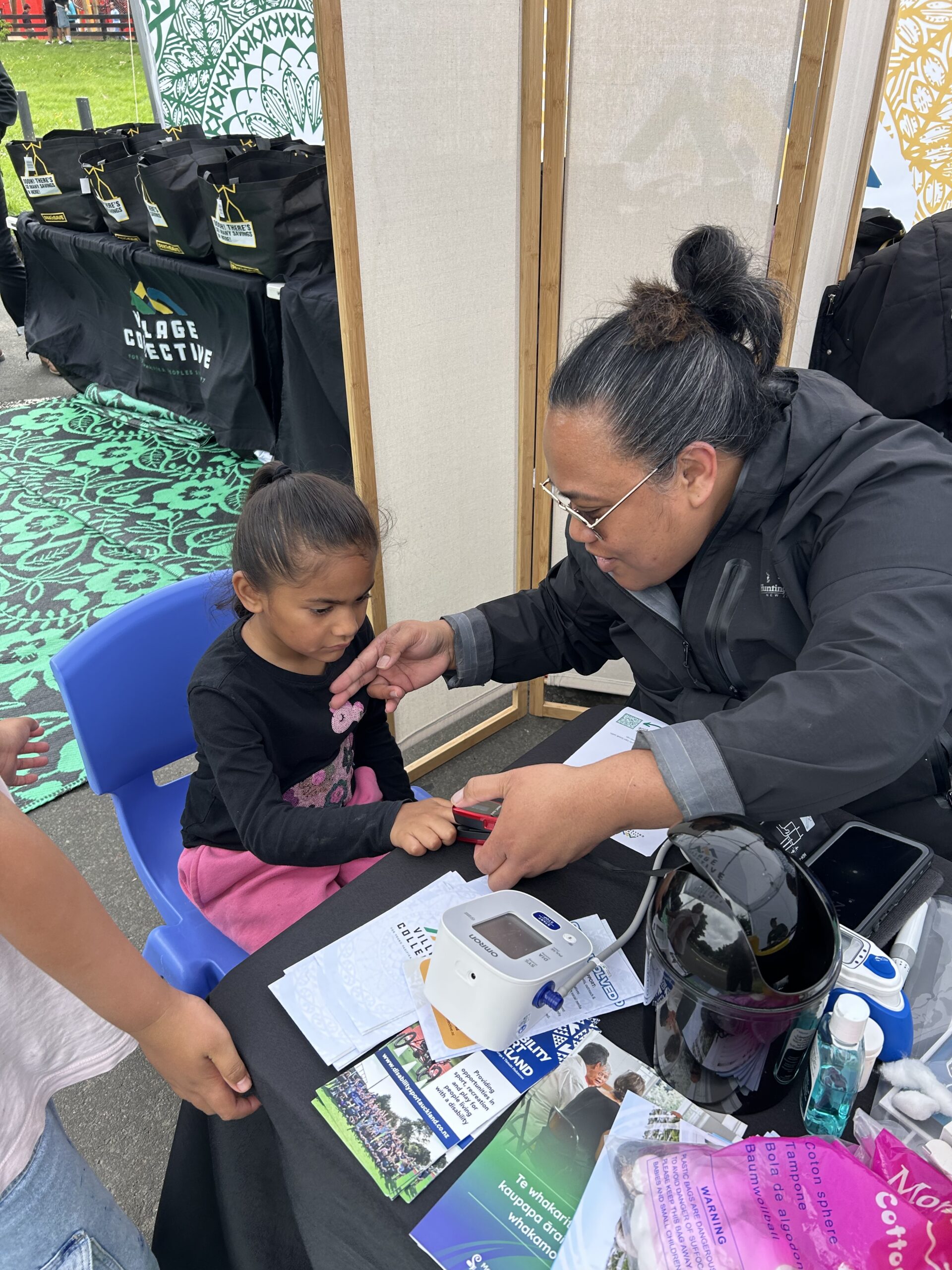
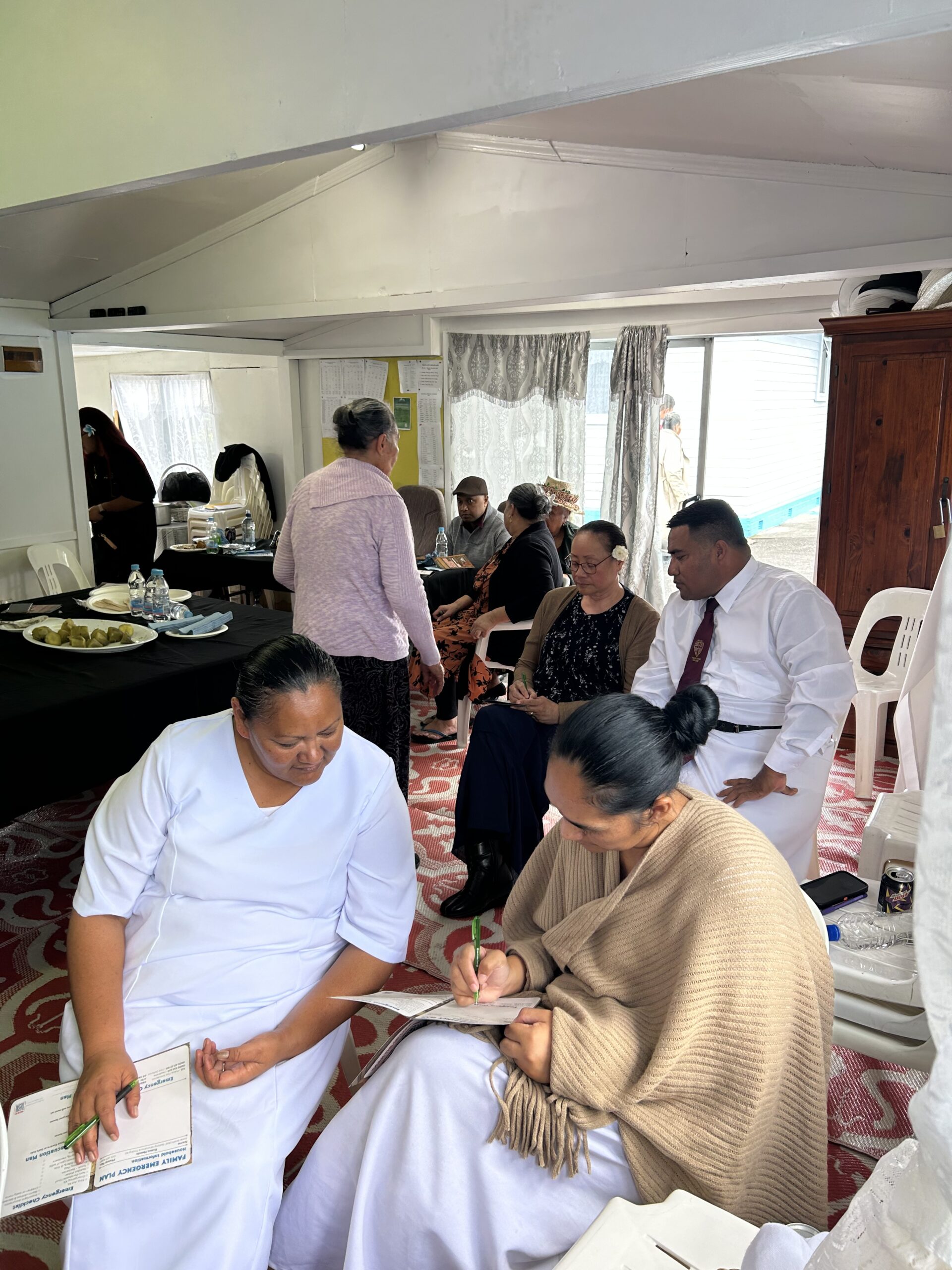
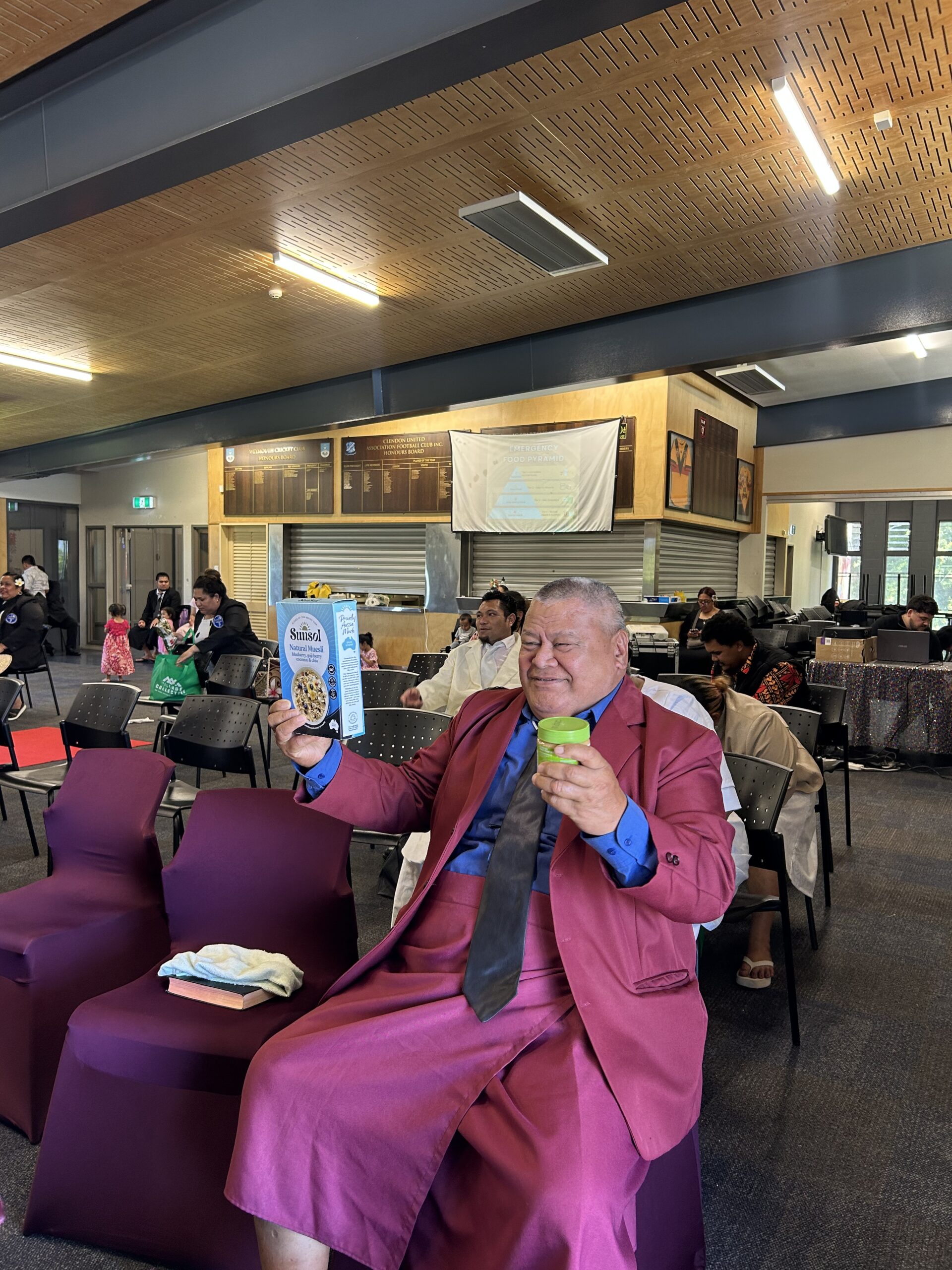
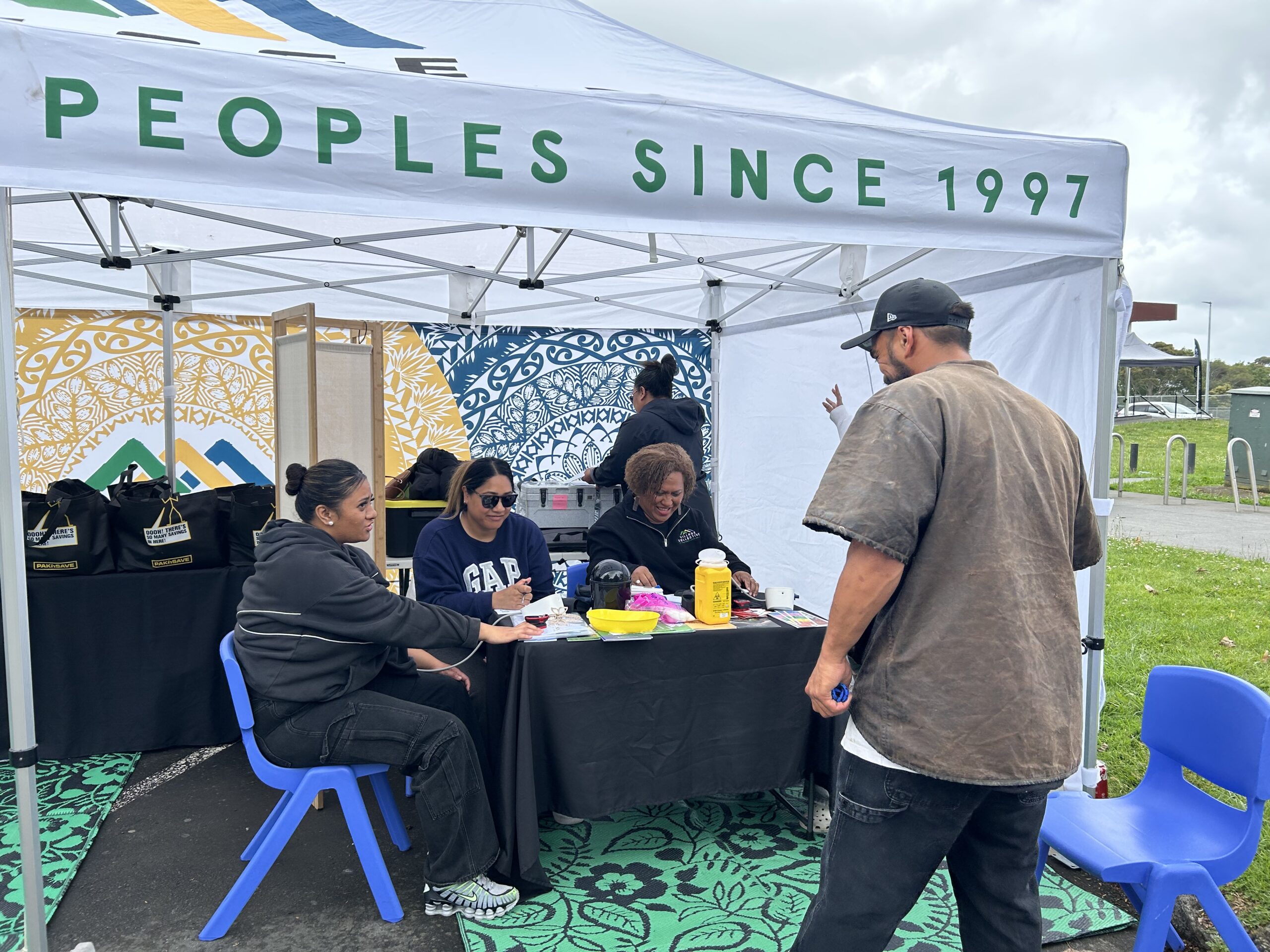
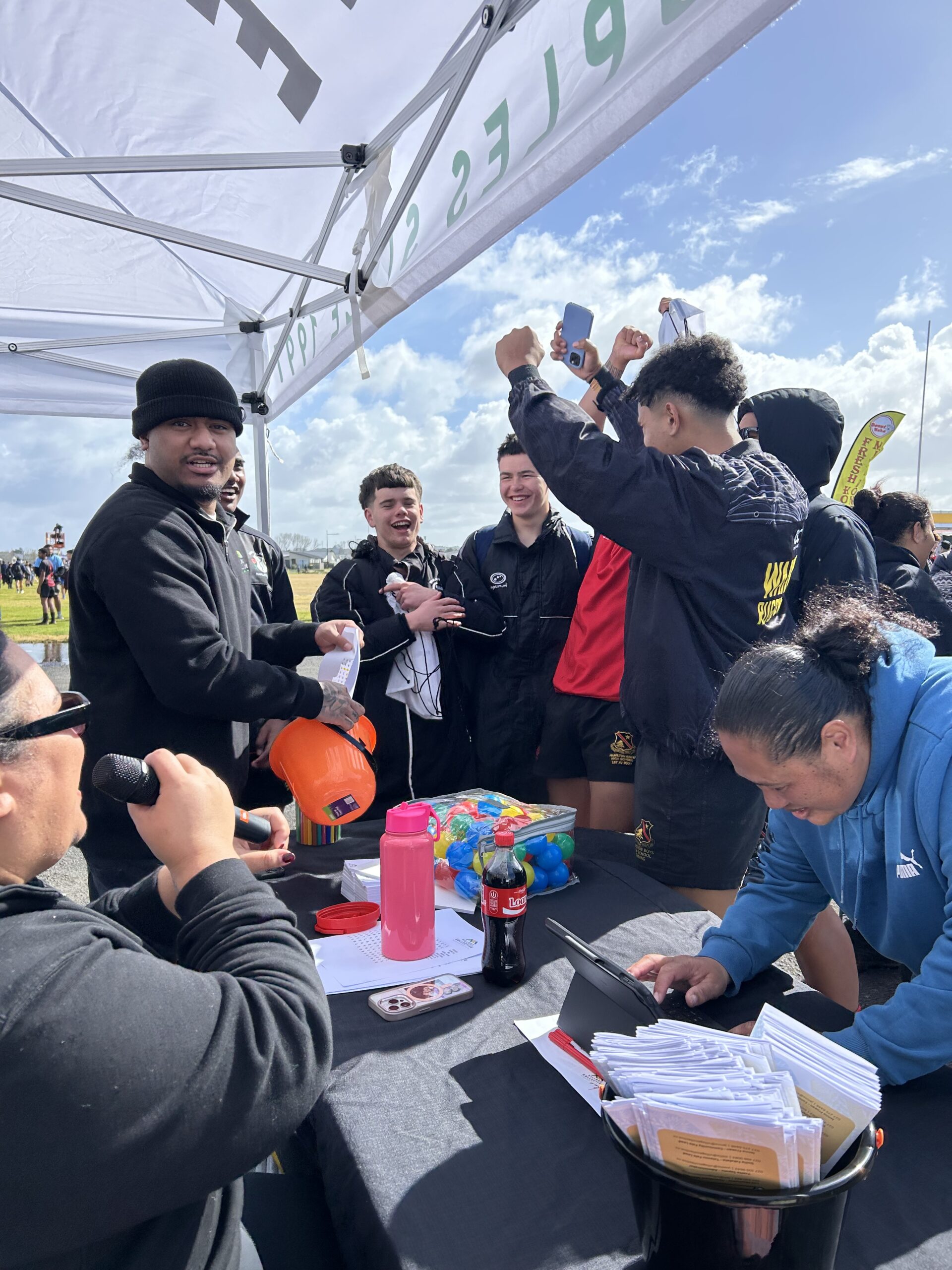
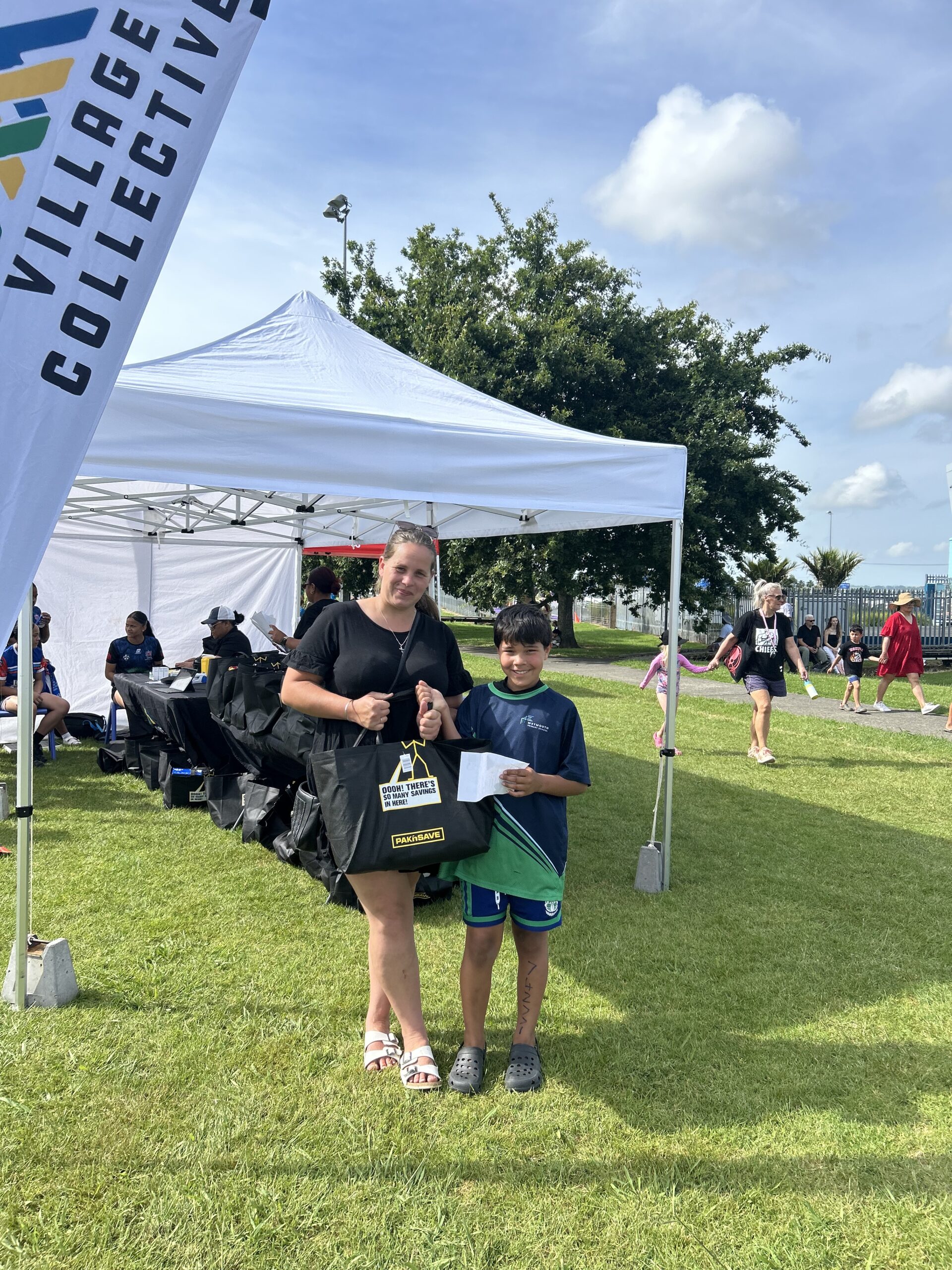
Community outreach initiatives that bring health education, immunisations, and preventative health services directly into community spaces. These events aim to improve health literacy, increase access to services, and strengthen trust between communities and health providers.
Frequency: One-off per event OR recurring (if needed)
Programme Duration: Event duration
Medium: In-person
Location: Event site OR Village Collective
Participant Criteria:
- Open to all ages
- Pacific & Maori prioritised but all ethnicities are welcome
Notes: Immunisation programme can be delivered as part of in-school offerings or part of one-off events. Parent’s Fonos are also available with clinicians on request.
Session Menu: Intermediate & High School
Our programmes can also be adapted to support NCEA Health & Physical Education learning outcomes through identity exploration, wellbeing, social influences, communication, leadership, and health promotion approaches.
Wellbeing NOW: Mental Wellbeing & Resilience
Wellbeing NOW supports rangatahi to strengthen emotional wellbeing, resilience, self-awareness, and healthy coping strategies through culturally responsive wellbeing approaches. Participants are encouraged to understand their emotions with their, identity and relationships though healthy emotional regulation while developing practical wellbeing tools that support positive mental health outcomes. Through reflective talanoa, interactive learning, movement activities, and strengths-based approaches. Wellbeing NOW supports young people to build confidence, self-reflection, healthy routines, and emotional literacy while strengthening resilience and decision-making skills. The programme also encourages rangatahi to strengthen their communication skills and normalise help-seeking behaviours to support healthy relationships, stronger self-worth, and greater confidence in navigating life and challenges positively.
Wellbeing NOW supports: mental wellbeing, emotional literacy, resilience, self-management, relationships with others.
Riding the Wave of Emotions
Supports rangatahi to better understand emotions, emotional regulation, stress, and coping strategies through interactive wellbeing activities and reflective talanoa.
Exploring Te Whare Tapa Wha
Introduces holistic wellbeing through Te Whare Tapa Wha while exploring the connections between physical, mental, spiritual, and family wellbeing.
Building a Self-Care Plan
Supports participants to develop practical self-care strategies, healthy routines, and wellbeing tools that strengthen resilience and emotional wellbeing.
Thoughts, Feelings & Actions
Explores the relationships between thoughts, emotions, and behaviours while strengthening self-awareness, coping skills, and reflective decision-making.
South Auckland Pacific Pathways & Advancement: Leadership, Identity & Pathways
SAPPA supports rangatahi to strengthen leadership capability, communication skills, confidence, identity, and future pathways through culturally grounded and strengths-based leadership development approaches. Participants are encouraged to build confidence in their own leadership style while developing teamwork, facilitation, communication, problem-solving, and decision-making skills that can be applied across school, community, work, and life settings. Through talanoa, leadership scenarios, experiential learning, and reflective activities, SAPPA supports young people to strengthen self-awareness, cultural identity, values-based leadership, and positive influence within their communities. The programme also encourages rangatahi to explore future pathways, aspirations, scholarships, leadership opportunities, and life-positive goals with greater confidence, resilience, and clarity.
SAPPA supports: leadership, hauora, interpersonal skills, identity and belonging, communication, decision-making, community participation.
Understanding Leadership Styles
Introduces leadership beyond titles and positions while exploring different leadership styles, leadership strengths, and how leadership shifts depending on context and relationships.
Leadership in Real Situations
Supports rangatahi to apply leadership skills, communication, problem-solving, and teamwork in practical and real-life leadership scenarios.
Speaking with Confidence
Builds confidence in communication, public speaking, facilitation, and expressing ideas in group and leadership settings.
Identity, Reputation & Influence
Explores how identity, values, reputation, culture, and relationships influence leadership, decision-making, and the way young people engage with others.
Leading Under Pressure
Supports participants to navigate pressure, conflict, responsibility, and decision-making while strengthening resilience, emotional regulation, and leadership confidence.